Louis Vuitton Date Code Checker
Every Louis Vuitton bag made between the early 1980s and early 2021 carries a small stamped date code: two letters and four digits, like CA4121. It is not a serial number — thousands of bags share the same code — and it is not read left to right. The letters name the factory, and the digits interlace: positions one and three form one number, positions two and four form the year.
Enter the code below and the checker reads it era by era: month and year for 1990–2006 production, ISO week and year for 2007–2021, and the older 1980s layouts before that. From March 2021 Louis Vuitton replaced stamped codes with an embedded microchip, so a new bag with no code is expected.
Selling your Louis Vuitton?
Sellers anywhere in the world can list on Libas Collective. Listing is free, a commission applies only when the piece sells, and the money reaches your wallet once the buyer receives it.
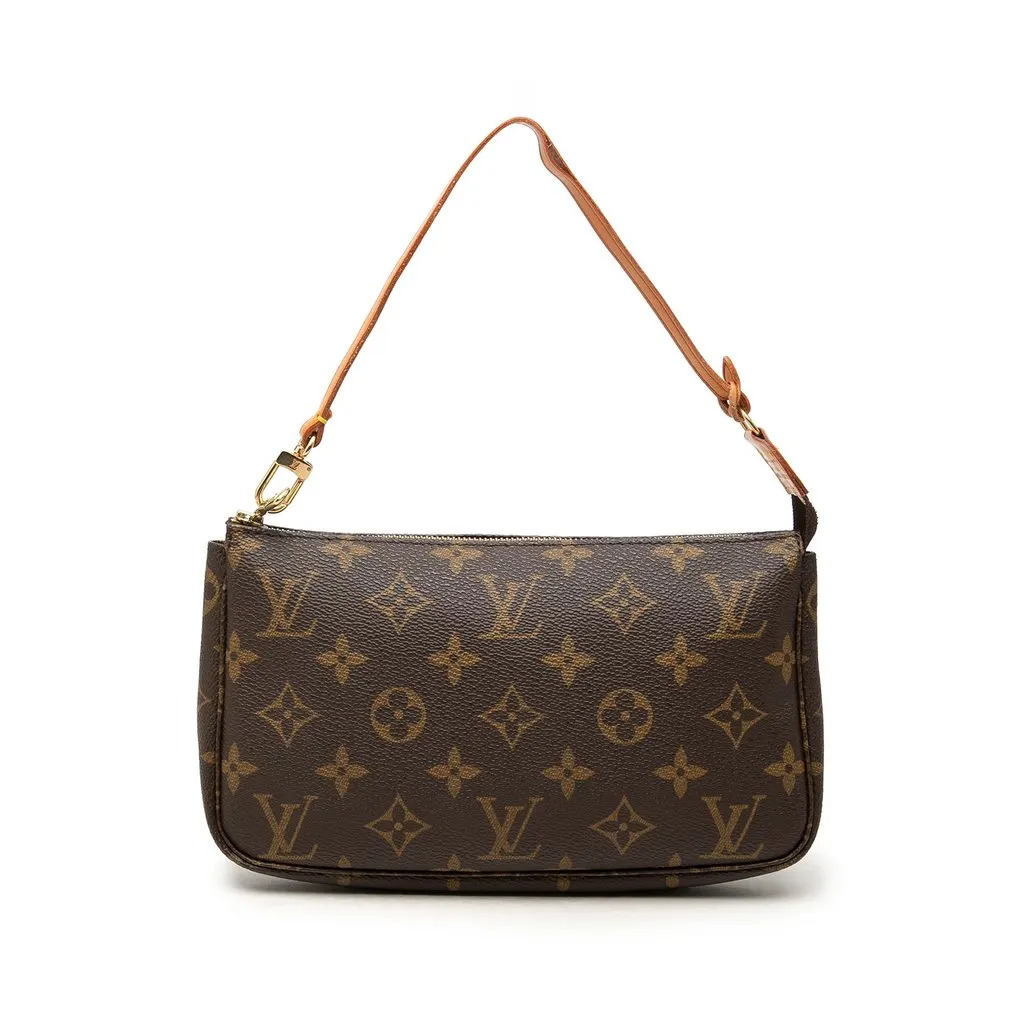
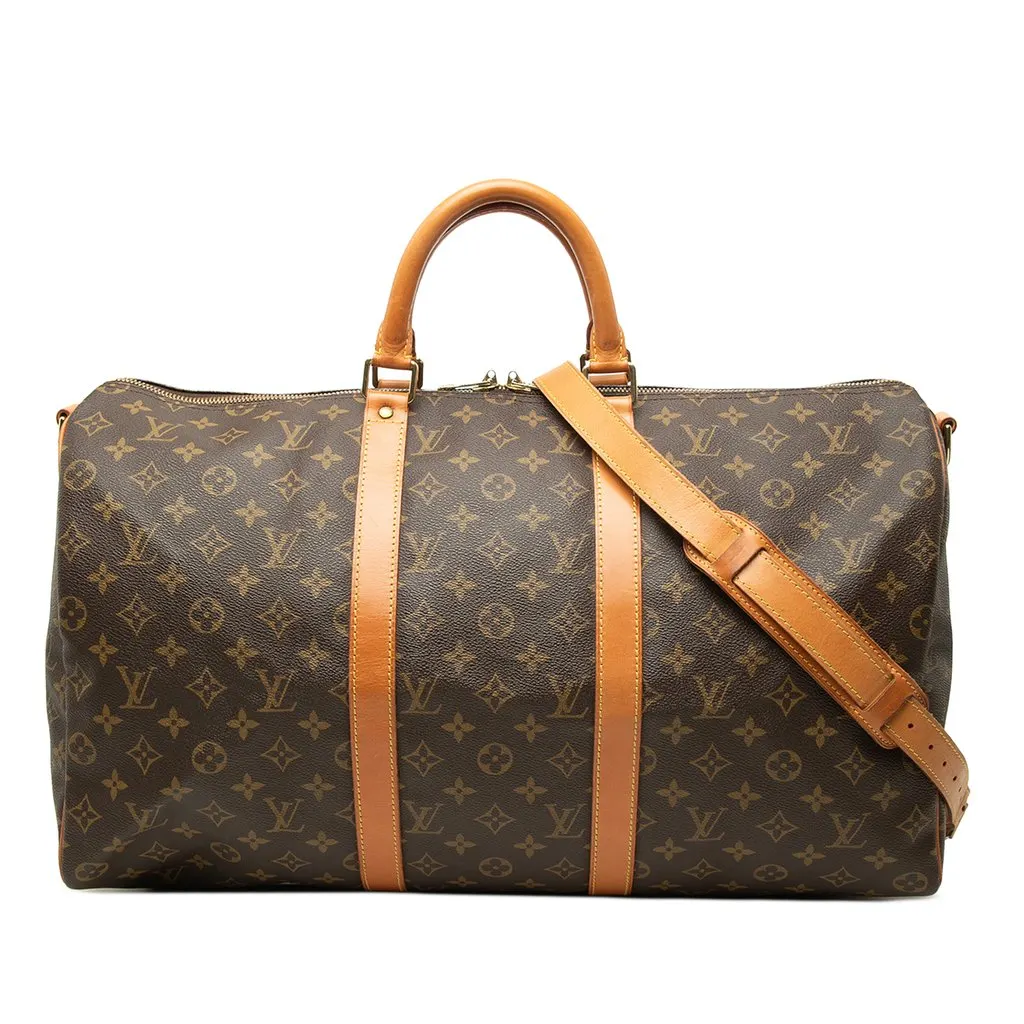
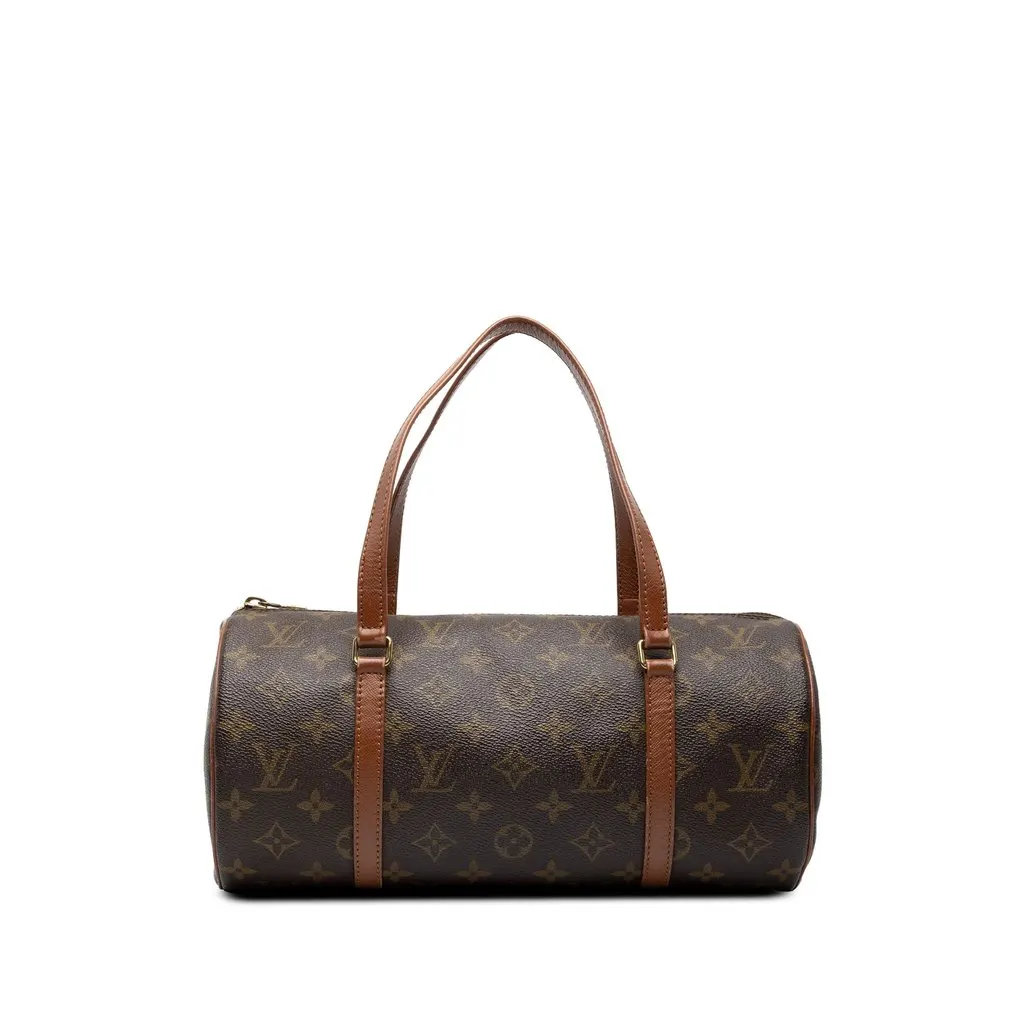
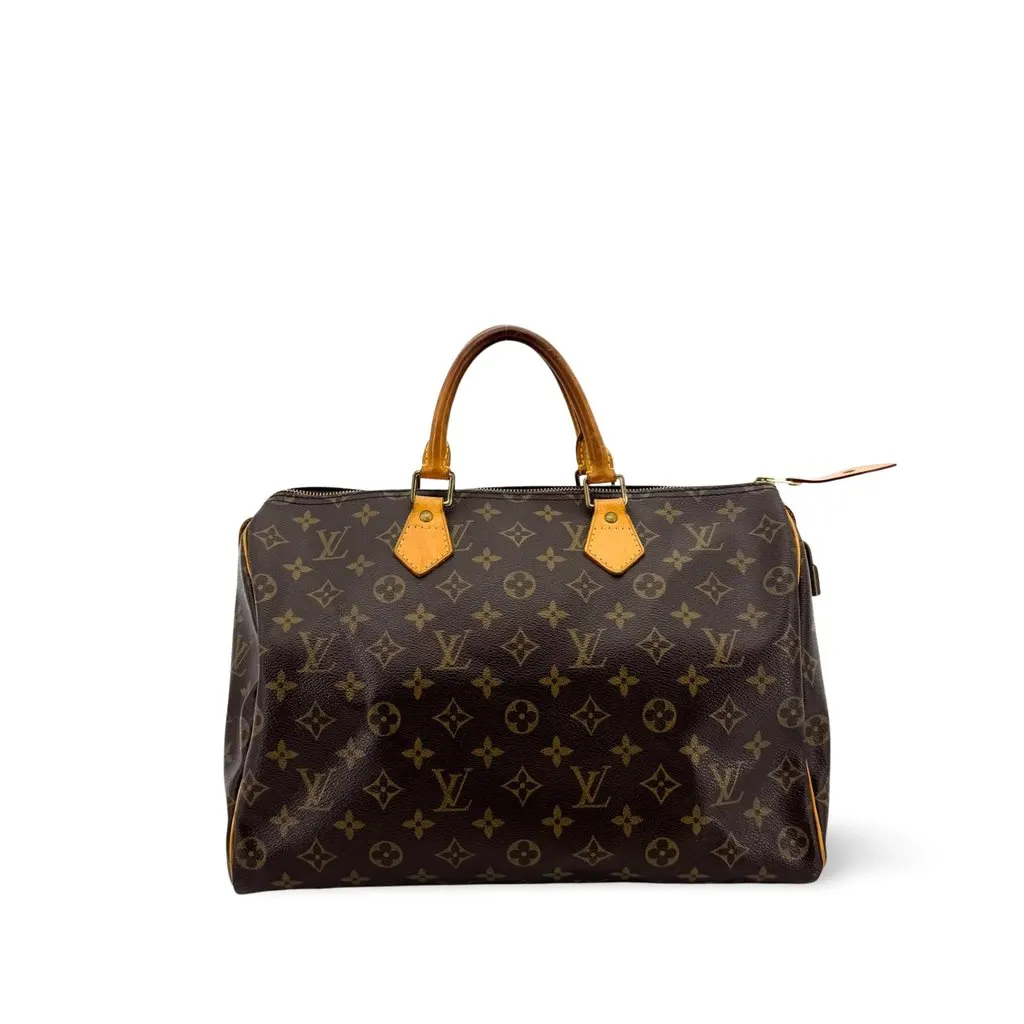
Louis Vuitton pieces available now
View All
 Japan

How to read it
The era matters. Applying the month/year logic to a post-2006 bag returns a wrong date, so the checker decides by the year the digits resolve to — and where a code is valid under more than one era's reading, it shows both, labelled.
| Era | How the code reads |
|---|---|
| Before the early 1980s | No standardised code — genuine pieces from this era simply have none. |
| Early 1980s | Three or four digits only, no letters: year then month (YYM / YYMM). |
| Late 1980s | Three or four digits plus two letters, the order varies; the digits read year then month. |
| 1990 – ~2006 | Digits 1 & 3 = month (01–12); digits 2 & 4 = year. |
| 2007 – early 2021 | Digits 1 & 3 = ISO week (01–53); digits 2 & 4 = year. |
| March 2021 onward | Embedded microchip; no visible stamped code at all. |
Where to find it on the item
The code is heat-stamped on a leather tab inside a pocket, along an interior seam, or on the underside of a strap — never on an exterior metal plate. On many classic monogram styles (Speedy, Neverfull, Alma) it hides inside the interior pocket; on small leather goods it sits along an inner edge. Position varies by model and year, so a hard-to-find code is normal.
Factory codes and countries
| Letters | Country |
|---|---|
| AA, AN, AR, AS, CT, DU, MB, MI, NO, RA, SL, SP, SR, TH, TJ, TR, VI | France |
| CA, UB | Spain |
| LP, OL | Germany |
| FL, LA, SD | France or USA — the letters span both; read the made-in stamp to settle which |
Worked examples
Reading CA4121
CA = Spain. Digits 1 & 3 give 42, digits 2 & 4 give 11 — the year 2011 puts this in the week era, so: Spain, week 42 of 2011.
Reading FL0023
Digits 1 & 3 give 02, digits 2 & 4 give 03 — the year 2003 puts this in the month era: February 2003. FL was used in both France and the USA, so the made-in stamp settles the country.
Reading SP1928
SP = France. Digits 1 & 3 give 12, digits 2 & 4 give 98 — December 1998, squarely in the month era.
Louis Vuitton stopped using date codes — what replaced them
This is the single most useful thing to know before you start looking. Louis Vuitton began phasing out the stamped date code around 2021, moving to an embedded chip instead. The change rolled out gradually rather than on a single date, and it did not reach every line at once — so pieces from the transition period can go either way, and the absence of a code on a recent bag is generally period-correct rather than a warning sign. Buyers who do not know this routinely conclude that a genuine recent bag is fake because they cannot find a stamp that was never applied.
The chip is not something a shopper can read. It is not a QR code, it is not printed anywhere, and there is no consumer app that queries it. So for recent production the date code route simply closes, and assessment moves entirely to the physical bag and to the paperwork and purchase history that came with it.
Where the date code sits, by bag
On pre-2021 pieces the code is stamped into leather or canvas somewhere that stays hidden in normal use, and the location moves by model. On a Neverfull it is usually inside the interior pocket, stamped into a small tab or directly onto the seam allowance. On a Speedy it is often under the interior pocket or on a tab inside the lining. On a Galliera and similar shoulder bags it tends to sit deep along an interior seam, which is why people so often report not finding one at all.
If you cannot find it, check the seam allowances by feel before concluding it is absent — the stamp is small, unlinked and frequently pressed into a fold. And remember that an absent code on a post-2021 bag is expected, so establish the bag's likely era first and let that set your expectation.
Authenticating a Louis Vuitton bag versus reading its code
A date code was never an authentication. It encodes where and when the bag was made, nothing more, and counterfeiters have stamped plausible codes for decades. A code that decodes cleanly tells you the format is right; it does not tell you the bag is.
Its real value is as a contradiction test. A code resolving to a factory and week that does not match the bag's hardware, lining or canvas treatment is a genuine finding. A date code on a bag that presents as clearly post-transition production is worth a second look for the same reason. Once the code is consistent, everything that actually decides the question — canvas grain and alignment, stitch count and angle, hardware weight, edge painting — is physical, and for a bag of value it is work for someone holding it.
Louis Vuitton serial number questions
Is a Louis Vuitton date code the same as a serial number?
No. A serial number identifies one item; a date code identifies a factory and a production date, and thousands of bags legitimately share the same code.
My new Louis Vuitton has no date code — is it fake?
Not for that reason. From March 2021 Louis Vuitton embeds a microchip readable only by brand-staff devices, so post-2021 bags carry no stamped code at all.
Does a correct date code prove the bag is authentic?
No. Counterfeiters reproduce correctly-formatted codes. A correct code only rules out the crudest fakes — authenticity is settled by leather, stitching, hardware and stamp quality.
Why does the same code give two possible dates?
Because the reading changed in 2007 from month/year to week/year. Where the digits are valid under both eras' rules, the checker shows both readings labelled by era rather than guessing.
What do the two letters mean?
They name the factory. Most map to France, CA and UB to Spain, LP and OL to Germany — and FL, LA and SD were used in both France and the USA, so for those the made-in stamp decides.
Where exactly should I look for the code?
Inside: a leather tab in an interior pocket, an inner seam, or the underside of a strap. The position varies by model and year — a code that takes minutes to find is normal.
Can the date code tell me what the bag is worth?
Only indirectly: it places production in an era, and versions do differ in value. Condition, completeness and demand matter more — our live listings below show what comparable pieces actually sell for in the UAE.
The date looks wrong for the model — what now?
A date earlier than the model's launch, or a country the line was never made in, is a real red flag. Have the piece professionally authenticated before buying — the code alone can't clear it.