
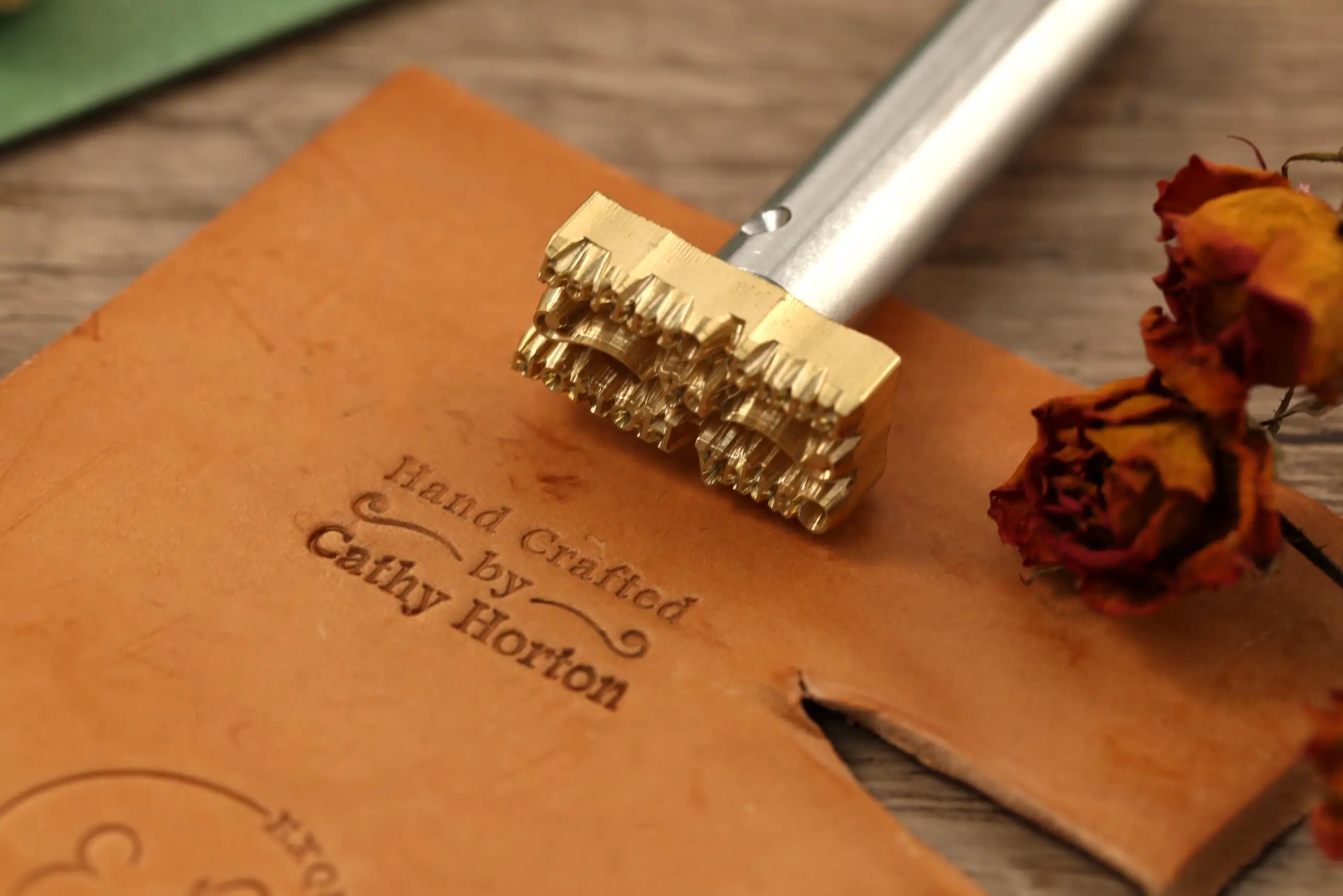
Understanding Hermès Year Codes, Materials, Special Marks & Locations… all symbols that matters!
Every Hermès leather item carries a small, discreet engraving—often unnoticed at first glance, but incredibly meaningful. This Hermès blind stamp reveals much more than a production number. It can tell you:
- When the item was made
- Where it was made (atelier)
- Who crafted it
- What material it is made from
- Whether it is a custom, special order, or employee piece
Hermès has never officially published its engraving system. However, decades of collector research, expert analysis, and industry experience reveal a consistent pattern.
This guide takes you inside the mysterious world of Hermès stamps—helping you not only identify production years and materials, but understand the story, craftsmanship, and heritage behind your Hermès piece.
Decode the code first: our free Hermès blind stamp checker reads the blind stamp on your bag in seconds — then use this guide for everything the code cannot tell you.
How Hermès Stamps Work
Each Hermès leather product features a coded embossing, often referred to as the blind stamp or date stamp. A typical stamp includes:
- A letter indicating the year of manufacture
- One or more stamps identifying the atelier or artisan
Example: On many Bolide bags, the year code appears in the top corner of the stamp, with artisan or workshop marking beside or beneath it.
There is ongoing debate about artisan initials—sometimes they represent a craftsman, sometimes a workshop, and in rare historical cases even an artisan in training. But the year stamp follows a consistent rule, making it the most reliable identifier.
Hermès Date Code Timeline
The Hermès date system has evolved through four major eras.
1964–1970 | No Frame
These early stamps are single letters, not enclosed in shapes.
Year | Code |
|---|---|
1964 | T |
1965 | U |
1966 | V |
1967 | W |
1968 | X |
1969 | Y |
1970 | Z |
Interestingly, this era mirrors the modern-day system introduced again in 2015—making distinction difficult without evaluating other clues such as craftsmanship style, leather aging, model generation, and atelier marks.
1971–1996 | Letter Inside a Circle
Hermès introduced letters inside a circle.
This period runs A → Z in order.
1997–2014 | Letter Inside a Square
From 1997, Hermès moved to a square-framed letter system.
This period begins at A (1997) and ends at R (2014).
2015–Present | Modern Free-Letter System
From 2015, Hermès unexpectedly returned to single letters with no frame, breaking alphabetical order. This marks a symbolic blend of innovation and tradition.
Year | Stamp |
|---|---|
2015 | T |
2016 | X |
2017 | A |
2018 | C Shop Pre-Owned Hermès — Live NowView all Hermès Hermès 24/24 View piece Hermès Picotin Lock 18 Gris Pantin Gold HW Stamp:G (2026) View piece Hermès Chasse A Vol Silk Scarf 90 View piece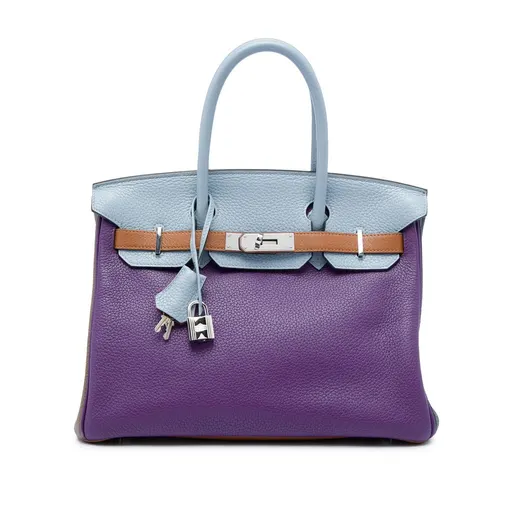 Hermès Clemence Arlequin Birkin Retourne 30 View piece Hermès Bicolor Toile Cabag Elan PM View piece Hermès Canvas Fourre Tout Cabas View piece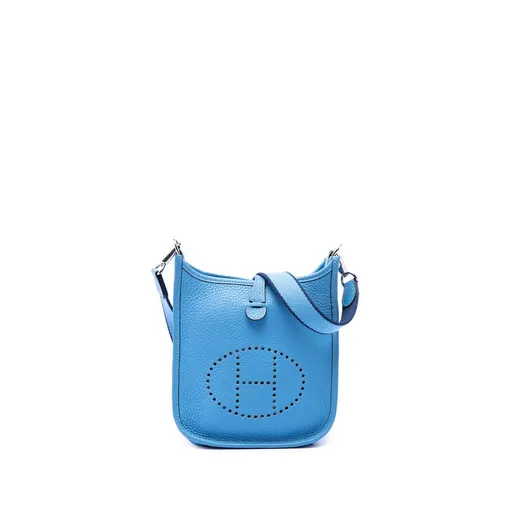 Hermès Clemence Evelyne I 16 Amazone View piece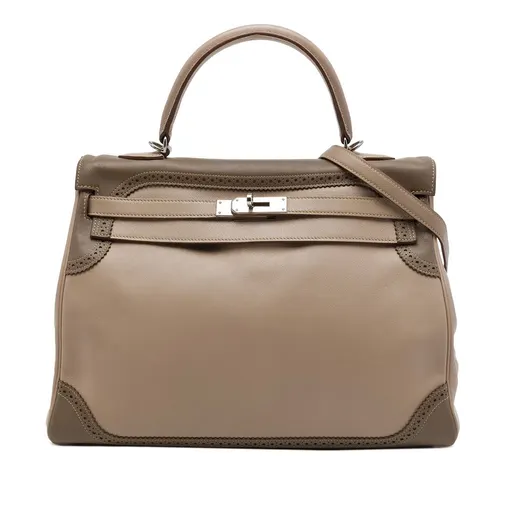 Hermès Swift Ghillies Kelly II Retourne 35 View piece |
2019 | D |
2020 | Y |
2021 | Z |
2022 | U |
2023 | B |
2024 | W |
2025 | K |
This unpredictability has become a fascination in the Hermès world, with enthusiasts predicting what letter will come next. Now we officially know: 2025 = K.
Material Identification Stamps
Some Hermès materials receive special engravings—especially exotic leathers, which represent the most prestigious tier of Hermès craftsmanship.
Porosus Crocodile — “Λ”
- Considered Hermès’ most precious crocodile leather
- Fine, symmetrical scales with high gloss
Niloticus Crocodile — “…”
- Larger, slightly wilder scales
- Used in masterpieces such as the Himalayan series
Alligator — “□”
- Structured scale pattern
- Common in bags and small leather goods
Lizard — “–”
- Fine, small scales with beautiful sheen
- Often used for wallets and compact bags
Other rare stamps may appear for specialty exotics, such as caiman or ring lizard.
Special Hermès Stamps
Beyond year and material stamps, Hermès sometimes applies unique engravings indicating extraordinary origins.
Horseshoe Stamp (Special Order / SO Bag)
Indicates bespoke, client-designed Hermès—among the most desirable pieces in existence.
Star Stamp
Traditionally associated with employee-related production.
“S” Stamp
Indicates reduced-price or staff sale items
Important: this can be confused with a 1989 year stamp.
Where to Find the Hermès Stamp
Stamp placement varies by model. Examples:
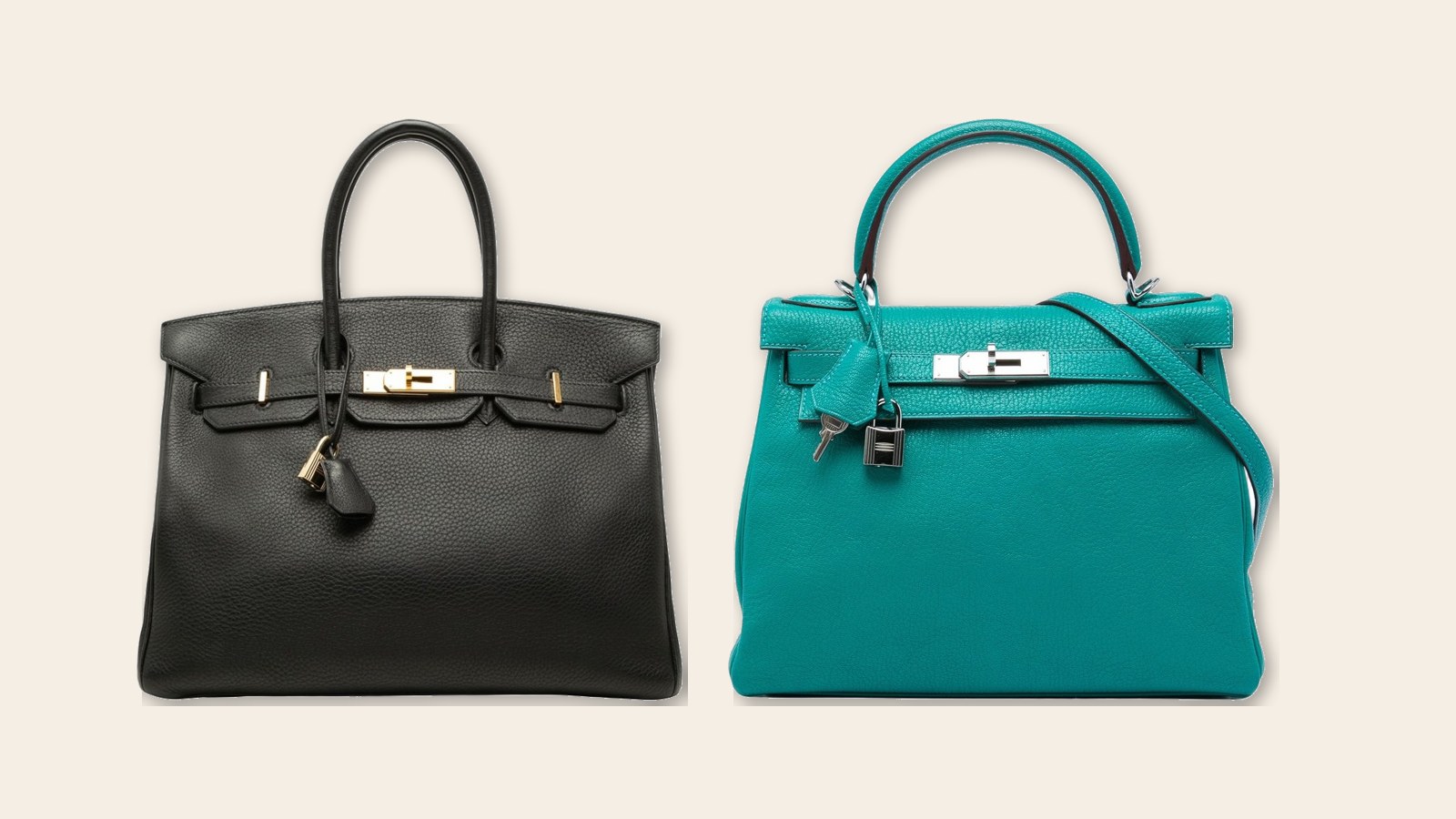
Birkin / Kelly
- Pre-2015: behind front strap
- Post-2015: inside left panel
Bolide
Behind the zipper tab
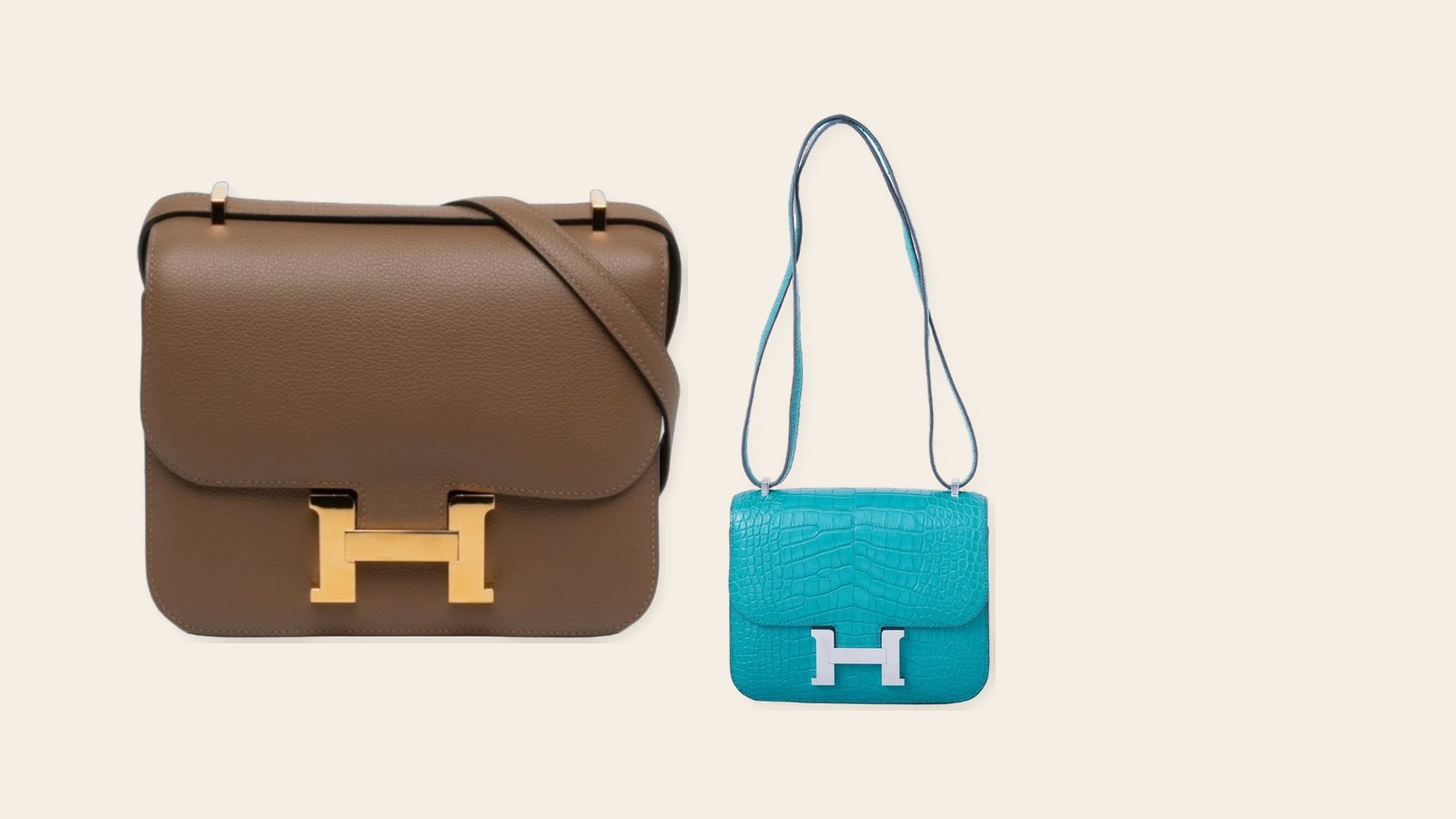
Constance
Inside divider panel
Picotin
Inside leather strap
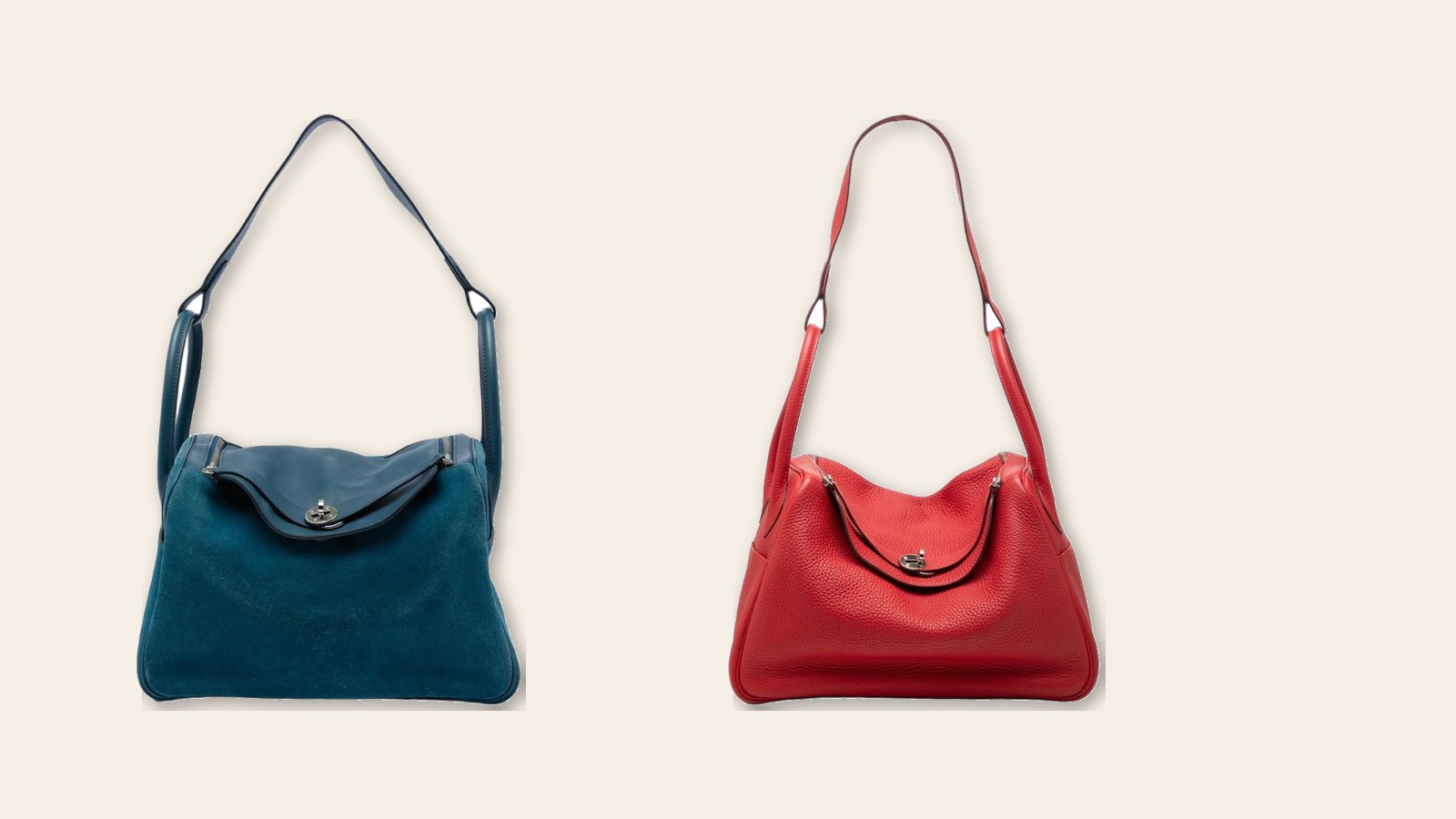
Lindy
Behind front belt (Mini Lindy inside pocket)
Evelyne
Strap base interior
Wallets
Typically inside coin or note compartments
Placement evolved historically—sometimes the location alone can help indicate era.
FAQ: Hermès Stamps
Do genuine Hermès pieces exist without stamps?
Yes. In rare cases:
- Deep stitching may cover marks
- Certain materials don’t retain stamping well
- Some items were never stamped
- Small accessories occasionally omit stamps
Does a rare stamp mean higher resale value?
Not always. Value depends on:
- Condition
- Demand
- Model
- Material
- Market trends
Can you authenticate Hermès by stamp alone?
No. Stamps can help—but authenticity should always consider craftsmanship, leather, stitching, hardware, structure, smell, serials, packaging, and provenance.
Hermès stamps are far more than coding—they are storytelling details that reveal heritage, craftsmanship, identity, and emotion. They chronicle when a piece was created, who shaped it, and its journey over time.
Understanding Hermès engraving is not just about identification. It deepens appreciation, strengthens authenticity confidence, and builds a beautiful connection with one of the most respected luxury maisons in the world.
Note: Hermès does not officially disclose stamp meanings. Information below is widely recognized within the luxury authentication community and should be used as a reliable reference, not an absolute guarantee.
Libas Collective
Shop Pre-Owned Hermès Bags
Browse authenticated pre-owned Hermès pieces — fairly priced and delivered across the UAE.
Frequently Asked Questions
What is a Hermès blind stamp?
A small heat-pressed mark on the leather that indicates the year a piece was produced and, historically, the craftsman who made it.
Where is the Hermès stamp located?
It varies by model — commonly under the front strap, on the underside of a strap, or inside the bag near the interior straps.
How do I read a Hermès date stamp?
Hermès has used a letter to denote the production year, historically enclosed in a shape (square, circle) in some eras and standalone in others. The letter is matched to its corresponding year to date the piece.
Does the stamp prove a Hermès bag is authentic?
No — it is one signal among many. Counterfeits replicate stamps, so the stamp must be read alongside construction, leather, hardware and stitching by a specialist.
Are there different stamp styles for different years?
Yes — the format and whether the letter sits inside a shape has changed across eras, which is part of how a piece is dated and assessed.
Where can I buy an authenticated Hermès piece?
At Libas Collective, where you can add authentication to any Hermès item at checkout. Browse the Hermès collection here.