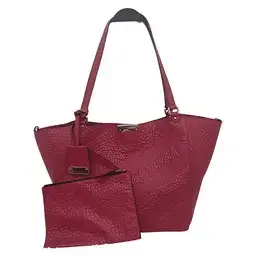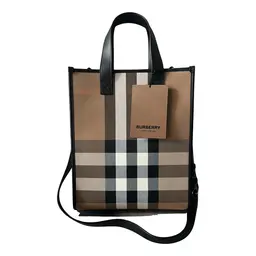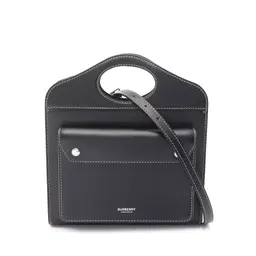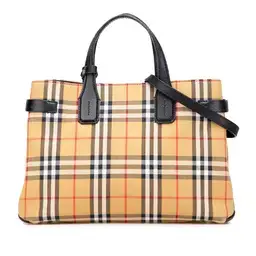


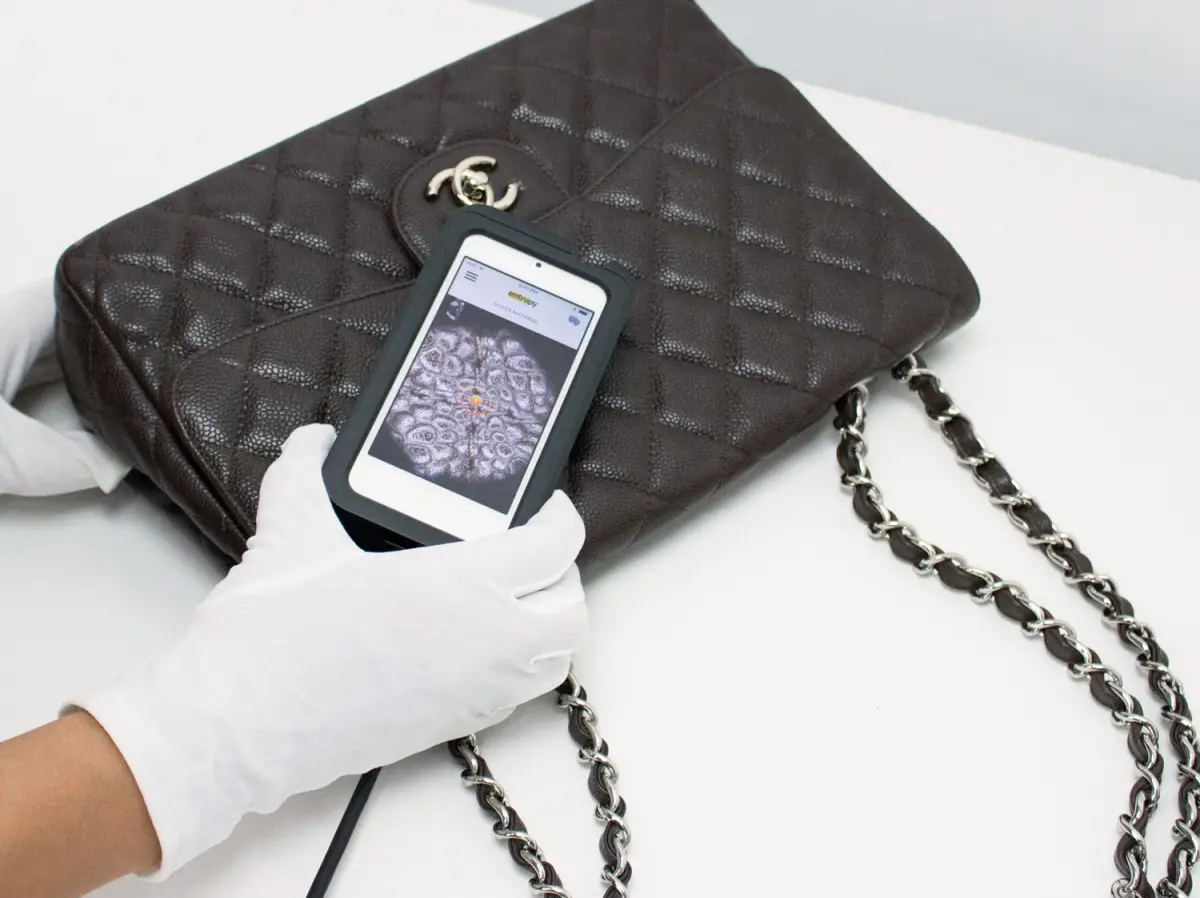
Luxury authentication plays a critical role in the global resale market. With counterfeit goods becoming increasingly sophisticated, buyers and sellers alike rely on authentication to protect value, trust, and reputation. In Dubai and across the UAE — where the luxury resale market has grown rapidly — authentication has become the single most important factor separating trustworthy platforms from risky ones.
This guide explains how luxury authentication works, who performs it, what is checked, and what happens when an item fails authentication — without marketing language or platform bias.
What Is Luxury Authentication?
Luxury authentication is the process of verifying that a designer item is genuine, not counterfeit, altered, or misrepresented. It applies to handbags, watches, jewelry, clothing, shoes, and accessories from luxury brands.
Authentication protects:
- Buyers from counterfeit goods
- Sellers from disputes and chargebacks
- Marketplaces from reputational and legal risk
Unlike basic inspections, authentication focuses on brand-specific construction, materials, serial systems, and craftsmanship standards.
Who Performs Luxury Authentication?
Authentication can be performed by:
1. Professional Authenticators
Specialists trained in specific luxury brands who analyze items using established verification criteria.
2. In-House Marketplace Teams
Some marketplaces maintain internal authentication teams rather than outsourcing verification.
3. Third-Party Authentication Services
Independent services used when additional verification is required, often for high-value items.
Authenticators typically specialize by brand category, as verification standards differ significantly between fashion houses.
Step-by-Step: How Luxury Authentication Works
Step 1: Initial Item Assessment
The process begins with a general evaluation of:
- Brand and model
- Overall condition
- Seller-provided images or physical inspection
This step identifies obvious red flags before deeper analysis.
Step 2: Materials & Craftsmanship Review
Authenticators examine:
- Leather grain, texture, and aging
- Stitching precision and consistency
- Hardware weight, engravings, and finishes
- Fabric quality and weave patterns
Luxury brands maintain strict production standards, making inconsistencies easier to detect for trained experts.
Step 3: Brand-Specific Authentication Checks
Each luxury brand has unique verification markers, such as:
- Serial numbers or date codes
- Heat stamps and embossing depth
- Logo spacing and typography
- Interior construction patterns
- Country-specific production traits
No single marker confirms authenticity — authentication relies on pattern consistency, not isolated details.
Step 4: Comparison Against Verified References
Authenticators compare the item against:
- Brand archives
- Confirmed authentic examples
- Historical production data
This step is especially important for vintage or discontinued models.
Step 5: Final Determination
The item is classified as:
- Authentic
- Inconclusive (requires further review)
- Not authentic
Inconclusive results may require additional images, physical inspection, or secondary verification.
Physical vs Digital Authentication
Digital Authentication
Uses high-resolution images and documentation.
Best for:
- Standard models
- Experienced sellers
- Initial verification
Physical Authentication
Requires hands-on inspection.
Best for:
- High-value items
- Complex craftsmanship
- Watches and fine jewelry
At Libas Collective, every piece listed for sale goes through a multi-point authentication check before it becomes visible to buyers. This is not a checkbox — it's a structured review conducted by trained in-house authenticators with brand-specific expertise.
The process covers hardware quality and stamping, serial number format and placement, label typography and country of origin, stitching consistency and pattern alignment, material quality (leather, fabric, hardware finish), and provenance documentation where available.
Items that do not pass authentication are not listed. Sellers are notified and given the option to retrieve their item or dispute the finding with supporting documentation.
This means that when you browse pre-owned designer bags, clothing, or accessories on Libas Collective, you are only seeing items that have already cleared this process — before you see them, before you buy.
Browse authenticated luxury items →
Authentication methods vary significantly between brands. The markers that confirm an authentic Chanel are different from those on a Hermès or a Burberry. We've put together detailed guides for the brands most commonly counterfeited in the resale market:
- How to Check Burberry Authenticity: Serial Numbers, Tags & More — covers serial numbers, Nova check, label typography, zippers and hardware
- How Luxury Authentication Works at Libas Collective — our full quality control process explained
More brand guides coming soon covering Chanel, Louis Vuitton, and Hermès.
Many marketplaces combine both methods depending on transaction value and risk profile.
What Happens If an Item Fails Authentication?
If an item does not pass authentication:
- The transaction is cancelled
- Buyers are refunded
- Sellers retain ownership of their item
- No item is released to the buyer
Reputable platforms treat failed authentication as risk prevention, not seller wrongdoing, unless repeated violations occur.
Common Myths About Luxury Authentication
Myth 1: One detail proves authenticity
False. Authentication relies on multiple data points.
Myth 2: All authenticators agree
False. Expertise levels vary, which is why layered verification is important.
Myth 3: Authentication guarantees condition
False. Authentication confirms authenticity, not wear or damage.
Why Authentication Matters in Modern Luxury Resale
As luxury resale becomes global, authentication is no longer optional. Buyers expect protection, and sellers benefit from increased buyer confidence and smoother transactions.
Some modern marketplaces integrate authentication into buyer protection workflows rather than requiring sellers to send items upfront, allowing sellers to list instantly and keep their items until sold, while still maintaining verification standards.
Frequently Asked Questions About Luxury Authentication
How do I know if a luxury item has been authenticated before I buy it? Look for platforms that authenticate in-house before listing — not after purchase. The item description should reference authentication, and the platform should have a documented quality control process. At Libas Collective, authentication is completed before any item goes live on the site.
What is the difference between physical and remote authentication? Physical authentication involves a hands-on inspection of the item by an expert. Remote authentication uses high-resolution photographs submitted by the seller. Physical authentication is more thorough, particularly for high-value items where material texture and hardware weight matter. Libas Collective uses physical inspection for all items received through its sell-and-consign service.
Can luxury authentication ever be wrong? No authentication process is infallible, but expert multi-point physical inspection is highly reliable. Reputable platforms use layered verification — meaning multiple data points must align — rather than relying on a single marker. This significantly reduces the risk of error.
Is luxury authentication available in Dubai? Yes. Libas Collective provides in-house authentication for luxury items across the UAE. Items can be submitted for authentication through our sell or consign process.
How long does authentication take? On most reputable platforms, authentication for standard items takes 24–72 hours. Higher-value or rare items may require additional review time. At Libas Collective, sellers are notified of authentication results before their item is listed.
Luxury authentication is a structured, expertise-driven process designed to protect everyone involved in a transaction. In Dubai and across the UAE, where the pre-owned luxury market continues to grow, understanding authentication is the difference between a smart purchase and an expensive mistake. At Libas Collective, every item is authenticated before it reaches you — so you can shop with complete confidence.